
State of OUR Democracy
The state of OUR democracy is in an emergency!
Judge Jefferson Griffin is directly challenging the concept of free and fair elections in North Carolina after the election results of the 2024 NC Supreme Court race. Griffin called for the over 60,000 eligible ballots to be tested. Multiple recounts determined the votes were cast legally in the race for one of the seats on the North Carolina Supreme Court. The back and forth threatens to undermine the integrity of the political process in this state, particularly among the Black electorate and voters between the ages of 18 and 25.
This challenge reveals the flaw in our judicial system in the state of North Carolina. The intent of the judiciary is to be fair and impartial, reducing as much partisan and personal bias as possible to ensure that justice is upheld. Unfortunately, our courts have strayed far away from that original intent. Instead, the courts have become increasingly partisan, impacting judicial independence and fairness, particularly for Black judges and communities. That is why we are calling for an independent judiciary to get our democracy out of a state of emergency. This current challenge is an example of what could become the norm in our democracy if we do not act NOW. Now more than ever, we must reclaim our power as a people and demand that we have true impartial courts that prioritize upholding the law and not creating a partisan power grab.
North Carolina Judicial Timeline
North Carolina’s judicial system has been at the center of major political shifts over the past two decades. This timeline highlights key moments in the state’s courts, from changes in judicial partisanship to major appointments and election battles. Beginning with the 2004 move to make judicial races nonpartisan—supported by both Democrats and Republicans—this timeline follows the impact of political control, landmark judicial appointments and legal controversies that have shaped the balance of power.
2004-2019
- 2004 Courts made nonpartisan (Democrats in control/GOP supported)
- 2008 Obama/Purdue
- 2011 Midterm GOP takeover of North Carolina General Assembly
- 2012
- Cheri Beasley appointed to court (Purdue)
- Replaces Justice Timmons Goodson
- Obama/McCrory
- 2016
- Reversal on the Courts partisan status
- Trump/Cooper 4-3 (Dem Supreme)
- 2019 Beasley appointed as Chief Justice
2019-2023
- 2019 Anita Earls elected to N.C. Supreme Court
- 2020 Beasley defeated by Paul Newby
- 2022 Biden/Cooper (5-2 Supreme Court flip from progressive to conservative)
- 2023 Earls cited by judicial standards for her remarks in a law review
- January: Riggs appointed to Appeals Court
- March: Earls comments investigated (JSC)
- August: Earls sues Judicial Commission
- September: Cooper appoints Riggs to Supreme Court (replaces Mike Morgan)
2024
- January: Earls drops lawsuit as Judicial Standards Commission dismisses complaint
- October: Riggs cited by judicial standards (abortion support)
- November:
- Trump/Stein: 5-2 N.C. Supreme Court
- Riggs beats Griffin by 734 votes out of 5.5 million ballots cast in the Nov. 5 election.
- December:
- Three recounts confirmed Riggs’ lead
- Griffin sues State Board of Elections
- Challenges more than 65,000 ballots
- Voters duly and legally registered with incomplete entries on form
- Overseas voted illegally registered
- Military and families who did not provide photo voter ID
Related News
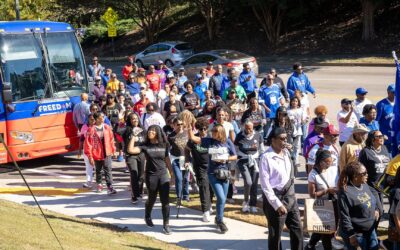
NCSBE adopts rules that increase the risk of voter disenfranchisement
The North Carolina State Board of Elections adopted four proposed rules targeting absentee voting, voter ID, recount rules and voting site sound amplification.
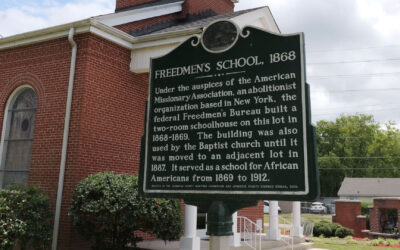
Black people built public education: The story of Johnston County’s Freedmen’s School
The Freedmen’s School in Johnston County is a reminder of who made public schools possible in America. Formerly enslaved people and their allies built the foundation for the public education we have today
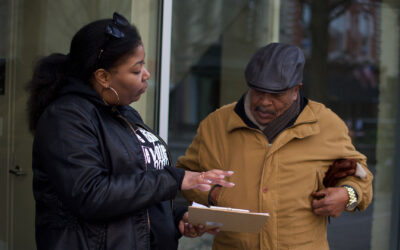
NC Black Alliance joins calls to restore printed voter forms for community drives
NC Black Alliance joins 30 partners to urge the NCBOE reverse its recent decision to stop providing printed voter registration forms to community groups conducting voter registration drives.
North Carolina Black Alliance (NCBA)
P.O. Box 27886 | Raleigh, NC 27611
[email protected] | 919-891-9788