
Black people built public education: The story of Johnston County’s Freedmen’s School
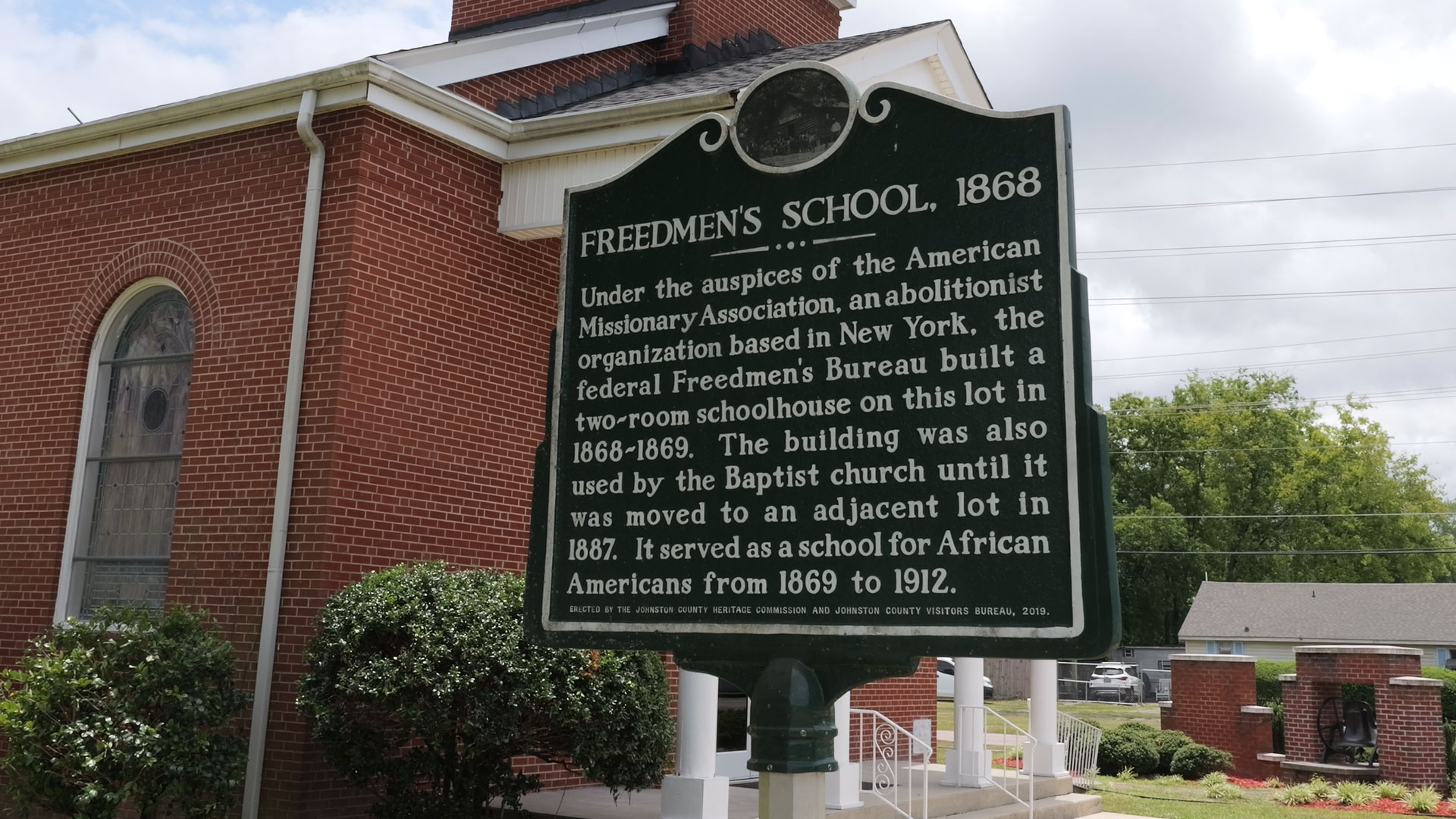
SMITHFIELD, N.C. — The Freedmen’s School in Johnston County is a reminder of who made public schools possible in America.
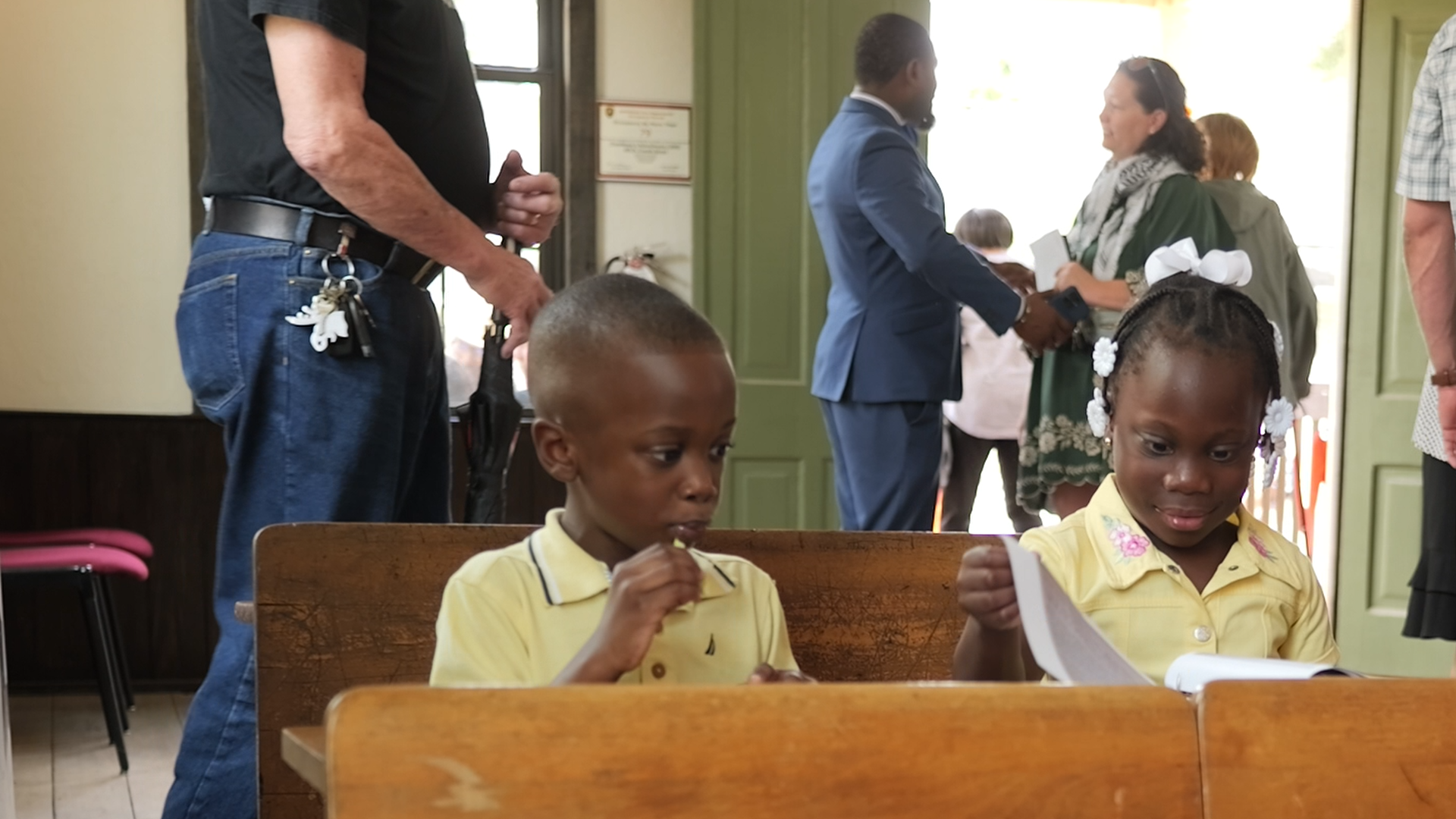
On Juneteenth, community members gathered inside First Missionary Baptist Church for a ribbon-cutting and dedication of the refurbished school near downtown. They were exposed to a truth we’ve been taught to forget: Black people didn’t just fight for education.
They created public schools.
A schoolhouse that survived
Burn marks in the flooring of the old school are evidence of multiple fires in the 1890s. The flames were aimed at extinguishing the rare educational opportunity for Black people.
“This is a schoolhouse that really is not supposed to be here,” said Todd Johnson, who directs the Johnston County Heritage Center & Museum. “But there’s a purpose. And maybe we don’t know the full purpose yet, but we will.”
Formerly enslaved people built the schoolhouse. They protected it. They understood something that their enslavers wanted to keep hidden: Education was survival. It was resistance. It was freedom.
The Black idea that transformed America
During slavery, education was reserved for wealthy white families, said historian and author Crystal Sanders, Ph.D. White people who didn’t have money couldn’t read. Early state laws made sure of it — education was tied to race, class and gender, Sanders explained.
Formerly enslaved people demanded something radical. They insisted on public education for every child, and they wanted it paid for by the state.
W.E.B. Du Bois called it out: “Public education for all at public expense was in the South a Negro idea.” During Reconstruction, Black legislators made it real. Public education became a state responsibility.
At the dedication service, the Rev. Zinfindale Smith exhorted those sitting in the pews of his church.
“Let us not sit idly by and do nothing,” the pastor said. “While we have breath in our bodies, we can pray and do some work.”
Formerly enslaved people and their allies rewrote the rules. They made sure universal education became law. By fighting for Black children to go to school, they also opened school doors to poor white children who’d been locked out. They built the foundation for the public education we have today.
Education as proof of humanity
Reading and writing meant everything to formerly enslaved people. It wasn’t just a skill. It was proof they were human, protection against being worked to death and, ultimately, a way out, Sanders explained.
“Learning to read and write should not simply be thought of as a rite of passage during childhood and adolescence but rather as an important symbol of freedom,” Sanders said.
From schoolhouse to voting rights
There’s a straight line from the Freedmen’s School to today’s battles over voting rights. Literacy is the connection.
“You cannot vote unless you know how to read,” North Carolina Black Alliance organizer Abrilla Robinson said. “The key thing that we do at North Carolina Black Alliance is educate our community on voting and the importance of voting.”
Robinson’s great aunt and her husband purchased the building that housed the Freedmen’s School after it stopped serving students in 1912. They turned it into their home. Robinson lives in a house across the street that belonged to her grandparents,
“Education is the key to any success in America,” Robinson said. “You have to know how to learn. You have to read. You have to write. You have to understand so that you can vote and vote for people who work for your best interests.”
A legacy that continues
We have to tell the truth. Slavery was brutal. For centuries, it robbed millions of African-descended people of the ability to learn to read and write. So we owe it to those formerly enslaved to fight for fully funded public schools like it really matters.
“True freedom includes the right to an education,” Sanders said.
Black children deserve fully funded schools with teachers who look like them. Our communities deserve honest history — not the watered-down version that erases Black leadership.
The Freedmen’s School is a reminder of what’s possible when Black people organize. Anyone who walks through its doors gets a clear message: Education and voting are intertwined and worth fighting for.
The building that wasn’t supposed to survive is still standing. It’s still teaching. It’s imperative that we start listening.