
Redistricting session provides ‘case study’ in power of community voice
ROCKY MOUNT, N.C. — Poor redistricting. It’s catching so much shade these days.
“Redistricting itself is not a bad word,” Southern Coalition for Social Justice (SCSJ) lawyer Rachel Allore said. “It’s required to make sure that everybody has a roughly equal vote when you’re going to the polls.”
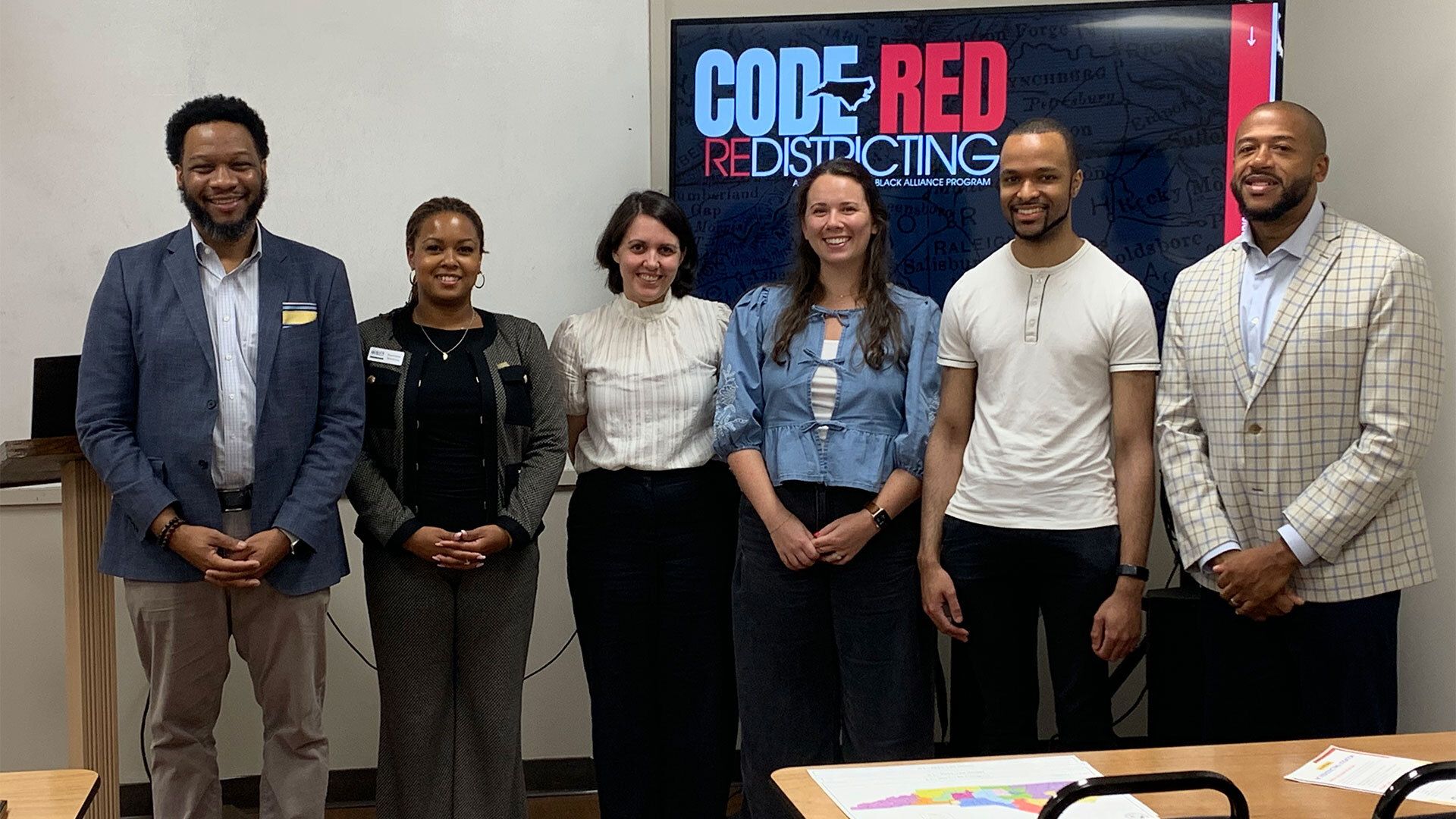
That’s not her opinion. It’s case law — Reynolds v. Sims, a landmark U.S. Supreme Court case that in 1964 established the one person-one vote principle. The precedent was among the gems dropped when North Carolina Black Alliance (NCBA) held court inside Word Tabernacle Church for the second installment of its relaunched CODE RED Redistricting campaign.
SCSJ, Common Cause North Carolina and NC Counts Coalition teamed with NCBA to drive home the importance of fair voting maps.
“We really want to take this campaign to areas of the state that have been dramatically impacted by racial gerrymandering, partisan gerrymandering and just false maps,” NCBA democracy and economy coordinator Hasani Mitchell said.
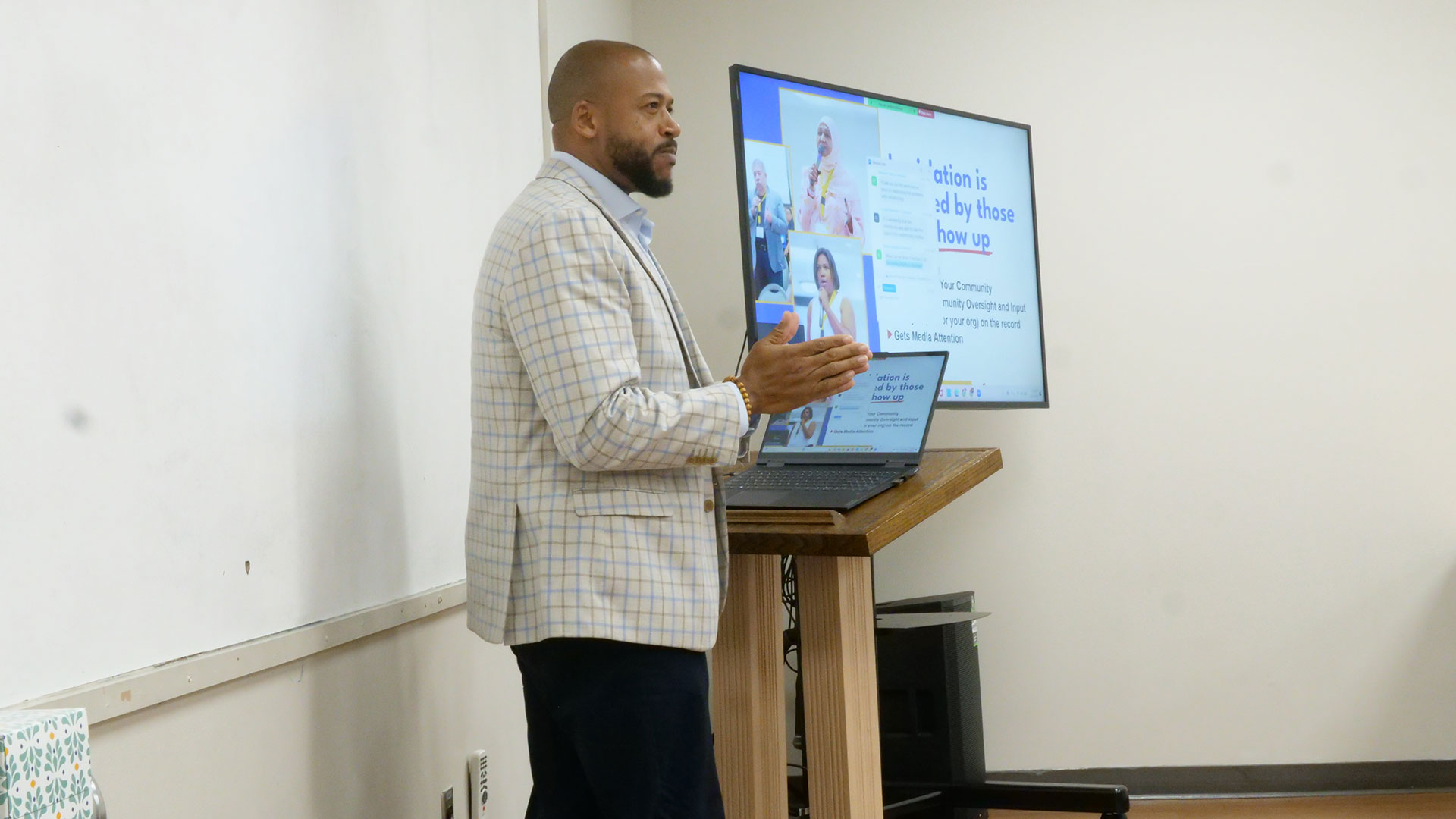
America is having a national conversation about redistricting, which is redrawing maps to determine where people vote. Among the talking points is something called partisan gerrymandering. The goal with that is redrawing voting maps to make things more favorable for a political party’s candidates. It’s legal, too, although experts will tell you partisan gerrymandering tends to devolve into racial gerrymandering. That’s illegal. Drawing maps that discriminate or minimize voting strength based on race violates the federal Voting Rights Act. All of it comes down to whether or not voters have the power to vote for people who will represent their interests.
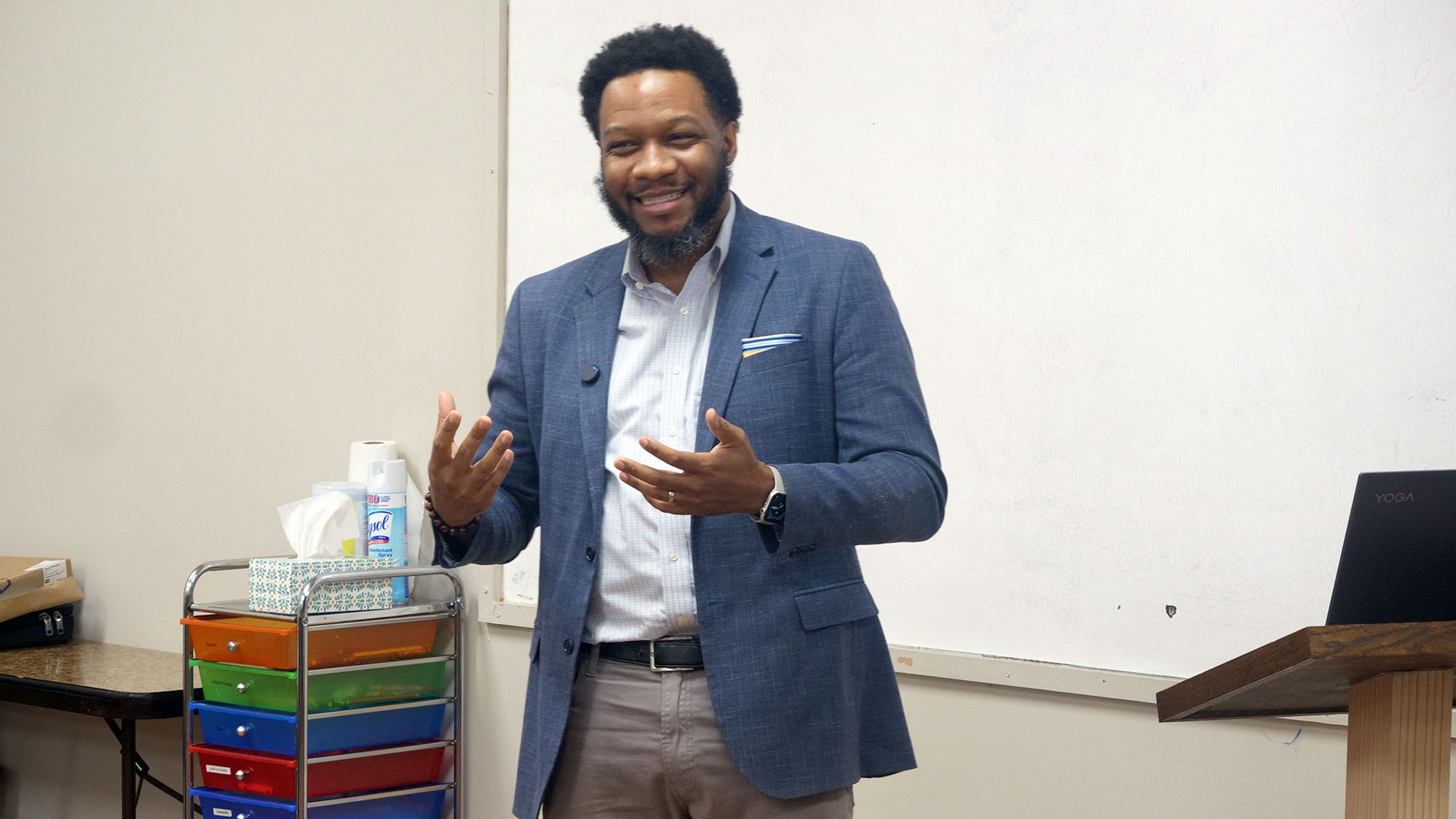
“Respecting communities of interest is really important,” Common Cause policy and civic engagement manager Tyler Daye said. “This is all about the voters, because these districts belong to us, not the politicians in power.”
Within the last few years, leaders in Nash and Edgecombe counties came to terms on breaking apart — demerging — their respective school systems. It meant Edgecombe County Public Schools would have to absorb some 1,700 Rocky Mount students. Plus, factor in around 9,000 extra residents associated with the demerger, which caused Reynolds v. Sims to kick in — one person, one vote. In order for the Edgecombe County Board of Education to equitably oversee education in the newly demerged district, new voting maps were needed to offer the full community some say in the matter. The school board hired a map drawer and sought public input on how the maps should look.
“The community reminded the board of its obligation to the community,” Allore said. “Because of all of their advocacy during the map-drawing process, the board sought out the community’s input in redrawing some of the maps.”
Community members emphasized the importance of keeping together those with shared interests. And they got what they wanted. The 2026 school board elections will be the first time they get to vote in their community-inspired districts.
“This is almost a case study of how communities can impact local redistricting,” Allore said. “The community got — and the board voted for — the option that best represented what the community wanted and protected their voting rights.”
Allore said redistricting is not limited to redrawing voting maps every 10 years to align with census numbers.
“Redistricting does not just happen at the statewide level,” she said. “Sometimes it’s right in your backyard.”
Learn more about the CODE RED Redistricting campaign and listen to the “Drawing the Line on Redistricting” episode of the Closer to the People podcast.