
Celebrating Black mothers in Brunswick County
Mother’s Day affords us all the opportunity to celebrate mothers across North Carolina. But when we look at the transformative power of Black mothers in shaping our families, our communities, and our culture, the Mother’s Day spotlight cast on them should shine much brighter. I am a Black mother who was privileged to participate in the “OUR State of Health: Mother’s Day Brunch” in Brunswick County, NC. The event not only honored motherhood but also fostered vital discussions on Black motherhood and health equity. In North Carolina, where maternal health disparities persist, Black women are leading efforts to improve birthing and postpartum outcomes despite the systemic challenges we face. The “OUR State of Health: Mother’s Day Brunch” focused the spotlight on what makes Black motherhood special.
Setting the stage forsharing, learning and supporting
I found myself amid a room full of Black women doing what we’ve done so well over time – sharing good food, laughter, stories of courage, resilience, wisdom and support for each other. The brunch featured a panel of mothers in various stages of motherhood who unselfishly shared diverse stories of birthing, parenthood, and caregiving. The women on the panel represented various paths of career success from a nurse who now provides career counseling, to a Licensed Clinical Mental Health Counselor to the Founder and Executive Director of a doula collective and others. The panel offered us a unique opportunity to delve deeper into the experiences and challenges faced by Black mothers, illuminating their resilience and the urgent need for progress in health equity.
Advocate for holistic birth practices
Baby registries, baby showers, and gender reveals–our current culture spends much more time focusing on our babies to come than we do on the women giving birth. During this event, we held space to hear from Black mothers. The panel discussion began with the women on the panel sharing their own distinct birthing stories. One panelist shared her story of giving birth as a teenager, while the next shared her experience giving birth in her later years. Another panelist spoke about her desire for a natural birth, but was asked to schedule a C-section before her provider even heard her birth plan. One mother revealed her guilt for giving birth to an exceptional child who requires special assistance. The opening discussion underscored the fact that Black women often contend with systemic opposition to the holistic birthing practices they desire. The long history of racism in our healthcare system has marginalized many Black birthing communities, leading to maternal health professionals exhibiting preferences for medical births and devaluing birthing supports such as doulas and midwives.
Although the panelists share repeated stories of feeling like their needs were not being met, like their objections were not being heard or basic fear for their own lives or the lives of their babies because of inattentive or culturally incompetent medical providers, we were blessed with the wisdom and practical insights from women in the room on how to persevere. Maya Jackson, the Founder and Executive Director of MAAME, Inc., spoke about the advantages of working with a doula to promote holistic and culturally sensitive birth practices that lead to affirmative birth experiences. All the panelists emphasized the importance of creating a birth plan. Perhaps the loudest message we received was that we as Black mothers must advocate for ourselves loudly and boldly until we get the answers we need to achieve peace. We know our bodies better than anyone.
Creating spaces for mental health support
I heard stories about the joy of motherhood during the Mother’s Day brunch. Most women experience pregnancy as one of the happiest times of their lives. The thought of bringing new life into our world can be priceless. But pregnancy changes our physical, social, mental, and emotional norms. All expectant mothers find themselves at one or the opposite end of the emotional spectrum at some point during their pregnancy. We can be plagued with anxiety over whether we are eating the right foods for the baby growing inside us in one moment, followed by exhilaration over feeling our baby’s movement for the first time in the next. But a factual reality exists that Black women experience higher rates of mental health challenges during pregnancy and postpartum than other racial groups. Almost 40% of Black mothers experience maternal mental health conditions. Racism, socioeconomic stressors, and limited access to culturally competent maternal healthcare are just a few of the factors that contribute to the maternal mental health disparities Black women face. The brunch discussions allowed us to acknowledge the existence and sources of some of our maternal mental health challenges while also celebrating the joys that we as individuals and a community of Black mothers can experience. Self-care is a key to a positive birth experience. Creating a plan, advocating for what is best for you and your baby, surrounding yourself with a support structure, and making time to celebrate yourself and your baby can increase the likelihood that you have the birth experience you want.
Strengthening community and empowering future Black mothers
Perhaps the greatest takeaway I received from the brunch was the power Black women possess to address the Black maternal health disparities we experience in North Carolina by simply being in community and celebrating each other. The contributions to birthing and postpartum made by these Black women extend beyond their own experiences. They shared resources, advice and emotional support for all of us. The connections made can foster resilience and unity for those in attendance who are making the transition into motherhood more enriching for Black mothers across the State. They are empowering their family members and neighbors today and will empower future generations. Resources from local organizations working to support mothers were shared with attendees. And the significance of leaning into the support of a faith community was not overlooked.
Black mothers deserve recognition and celebration, as they represent the heart and soul of our society. Our efforts to advocate and educate by teaching each other about health equity and maternal health justice can guide us toward a more equitable healthcare system that reduces the Black maternal health disparities within North Carolina and builds stronger communities.
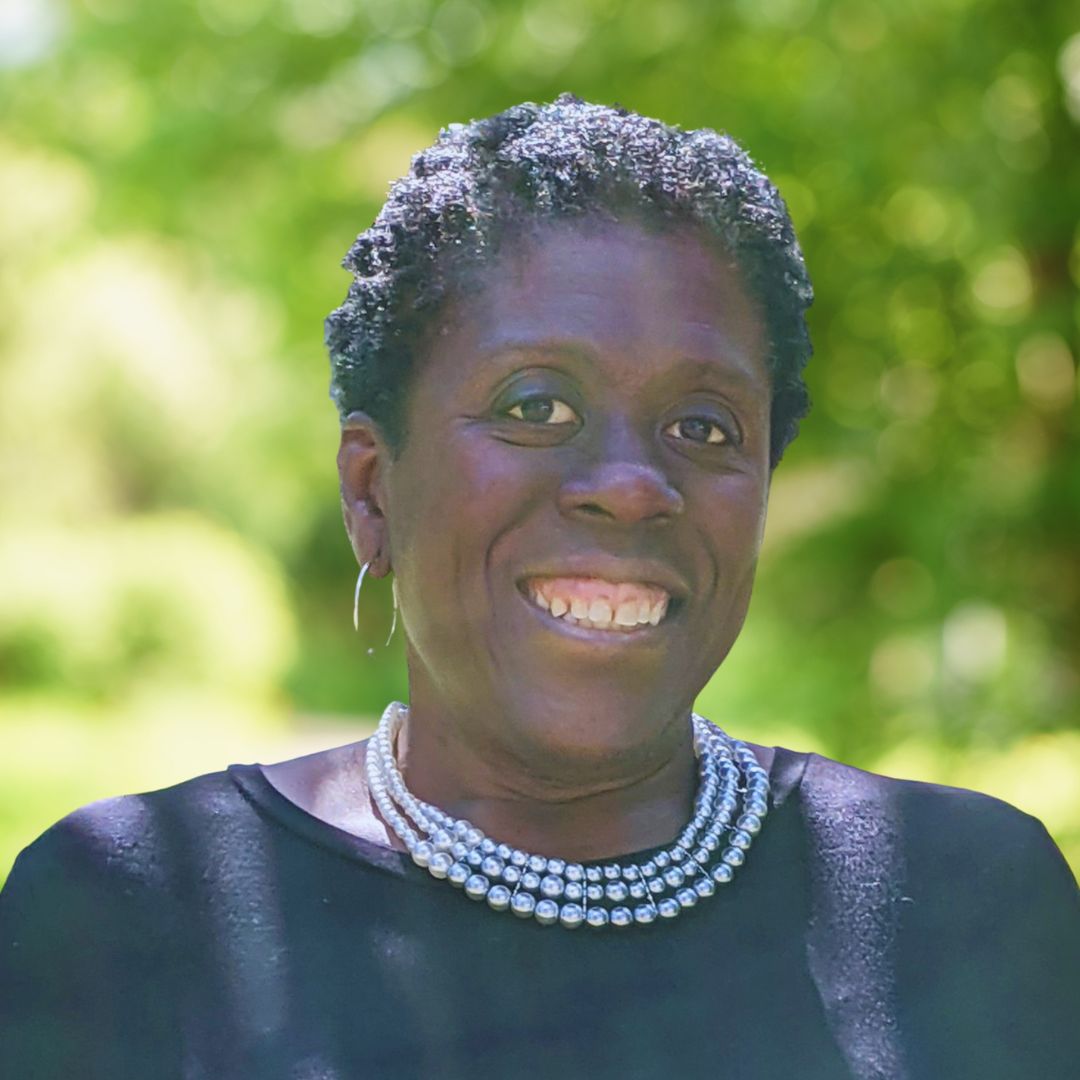
Crystal Biles
Access to Healthcare Fellow
Closer to the People Conversation: Our State of Health Conversation
Something as simple as water gets complicated when both it and money for alternatives are in short supply. That nugget emerged when our Access to Health Care team got closer to the people in Brunswick County.