
Black women at the center of breastfeeding success
Picture this: you arrive on site for a human lactation conference and when you walk through the doors, you see a room filled with Black women and mothers from across the country, from different healthcare sectors ranging from public health departments to community-based doulas, and they all share one goal–improving maternal and child health outcomes for Black women in the United States. This imagery is what our team had the honor of witnessing on August 8th as a sponsor for the 2025 Uplifting Black and Brown Lactation Success (UBBLS) Conference hosted by North Carolina A&T State University and Reaching Our Sisters Everywhere (ROSE). Both organizations are trailblazing a future where Black mamas can receive care from lactation professionals who look like them. Black babies are gaining the nutrients and benefits of the most complete ‘first food’—breastmilk. Together, these leaders are shifting the cultural landscape to create communities and policies that truly support breastfeeding.
Why Black Breastfeeding Week matters
The conference is hosted each August, aligning with National Breastfeeding Awareness Month and Black Breastfeeding Week from August 25–31. You might be asking yourself, why do we need a Black Breastfeeding Week when we already have a month for breastfeeding awareness? Black stories and impact are too often overlooked, pushed to the margins of broader celebrations. Black Breastfeeding Week is explicitly dedicated to addressing the significant disparities in breastfeeding rates among Black women and raising awareness about the unique challenges we face. The seven-day focus allows for a deeper understanding of the high Black infant mortality rate, high rates of metabolic health conditions that impact Black communities, the lack of diversity in the lactation field, cultural barriers that are unique to Black women, and first food deserts which describes scarcity in resources for Black women to access support for the best first food (breastmilk). That’s why the work of community-based organizations is so critical—they are the ones turning awareness into action and ensuring Black women and families have real support.
Community-based care filling the gaps
Community-based organizations are leading the way in creating wrap-around healthcare for Black mothers in North Carolina. ROSE, a Georgia-based nonprofit partnering with NC A&T, not only trains women to provide breastfeeding support but also engages fathers through ROBE—Reaching Our Brothers Everywhere. MAAME, a Durham-based doula collective, offers culturally responsive care from pregnancy through postpartum. And through Pathway 2 Human Lactation programs at NC A&T and Johnson C. Smith University—the only HBCUs in North Carolina with this offering—more Black International Board Certified Lactation Consultants (IBCLCs) are entering the field and serving families statewide. Alongside these groups were organizations focused on postpartum mental health and innovations like The Melanated Mammary Atlas®, expanding real-time knowledge for providers one image at a time. Together, they ensure Black mothers feel seen, supported, and equipped for breastfeeding success.
Rooted in breastfeeding, grounded in community
As we look at what is to come with healthcare in North Carolina, the work of Black-led maternal and child health organizations will remain critical. Many will lose access to care, despite the need for it not going away. It will be organizations like many mentioned above that will continue to stand in the gaps when our healthcare system falls short and doesn’t listen to Black women. This year’s theme—Boots on the Ground: Rooted in Breastfeeding Success, Grounded in Community Support—captures the very essence of this movement. Celebrating breastfeeding success while staying rooted in community is how we disrupt harmful narratives, transform care, and build an equitable future.
Black women leading the future
While the disparities in maternal and child health are far from erased, the progress we see today is undeniable—and it’s thanks to Black women doing what they’ve always done: leading, organizing, and building community in the face of systems that too often fail us. From conference halls to hospital rooms to kitchen tables, Black women are creating spaces of healing and advocacy that shift not only outcomes, but culture itself. The path forward is still long, but because of their vision and persistence, we are miles further than where we once stood.
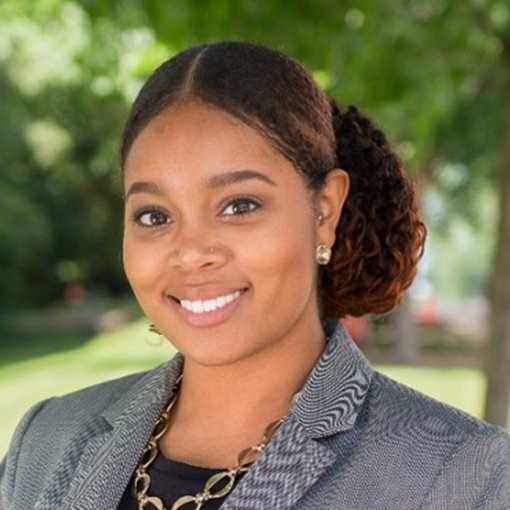
Karida Giddings
Access to Healthcare Coordinator